

The nervous system is the body’s communication highway, sending messages between the brain, spinal cord, and every organ, muscle, and tissue. When something disrupts this flow, daily life can quickly become overwhelming. Transverse myelitis is one of those conditions that interrupts communication in the spinal cord and creates a wide range of neurological challenges. People who live with this condition often feel as though their independence, comfort, and sense of control are stripped away.
From a chiropractic neurology standpoint, it is important to understand not only what transverse myelitis is, but also how it impacts daily life, what symptoms and comorbidities may be present, and what options exist for treatment in both traditional medical care and functional neurological rehabilitation.
What Is Transverse Myelitis?
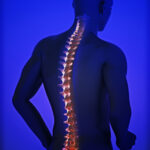 Transverse myelitis is an inflammatory disorder of the spinal cord. The term “transverse” refers to the way inflammation often affects both sides of the spinal cord at a specific level, and “myelitis” refers to inflammation of the spinal cord itself. This inflammation damages the protective covering of nerve cells, called myelin, and sometimes the nerve fibers themselves. As a result, messages between the brain and the body are disrupted.
Unlike structural lesions, such as a traumatic spinal cord injury, transverse myelitis is considered a functional and inflammatory disorder. It may develop suddenly or progress over days to weeks. The severity of symptoms can vary widely, but even mild cases can be life altering because of the way they interfere with essential neurological communication.
How It Affects Daily Life
Living with transverse myelitis can feel unpredictable and exhausting. The spinal cord is a central pathway for sensory and motor information, so inflammation at any level can cause symptoms that spread below the affected area.
- Mobility and independence: Many individuals experience weakness or paralysis in the legs or arms. Walking, standing, or even moving across a room can become a challenge. Assistive devices may be necessary, which can limit independence.
- Bladder and bowel function: Because spinal cord inflammation often interferes with autonomic control, bladder urgency, incontinence, or constipation can become daily struggles. These issues can make social interactions difficult and create embarrassment or isolation.
- Pain and discomfort: Neuropathic pain is common. Burning, tingling, stabbing, or tight band-like sensations may persist, sometimes disrupting sleep and focus.
- Fatigue and mental health: Constant effort to manage symptoms often leads to overwhelming fatigue. Anxiety and depression can develop, not only because of neurological changes but also due to the psychosocial impact of chronic illness.
Transverse myelitis does not only affect the body. It reshapes routines, alters relationships, and can make once-simple tasks—like grocery shopping, working, or driving—seem daunting.
Common Symptoms
The hallmark symptoms of transverse myelitis typically emerge quickly, often within hours to days, and can progress over several weeks. These include:
- Motor symptoms: Weakness in the legs or arms, ranging from mild difficulty with coordination to complete paralysis.
- Sensory symptoms: Numbness, tingling, or abnormal sensations that may follow a “band-like” distribution around the torso.
- Autonomic symptoms: Bladder urgency, difficulty emptying the bladder, bowel dysfunction, or sexual dysfunction.
- Pain: Neuropathic pain that may feel sharp, burning, or electric.
- Spasticity: Stiff or involuntary muscle contractions, leading to difficulty with movement.
The exact pattern depends on the location and extent of the spinal cord inflammation. If the lesion is higher in the spinal cord, both arms and legs may be affected. If it is lower, symptoms may be confined to the legs and pelvic organs.
Comorbidities and Associated Conditions
Transverse myelitis can occur as an isolated condition, but it is also associated with several other disorders. Understanding these comorbidities is essential for comprehensive care.
- Multiple Sclerosis (MS): In some cases, transverse myelitis is the first sign of MS, an autoimmune disease that causes recurring episodes of inflammation in the brain and spinal cord.
- Neuromyelitis Optica Spectrum Disorder (NMOSD): A condition that often presents with both optic neuritis and transverse myelitis, driven by autoimmune attack against aquaporin-4 channels.
- Autoimmune conditions: Lupus, Sjögren’s syndrome, and sarcoidosis can all trigger spinal cord inflammation.
- Infections: Viral, bacterial, or fungal infections may precede or trigger episodes of myelitis.
- Post-vaccination or post-infectious immune response: In some cases, immune system activation appears to trigger spinal cord inflammation.
These associations mean that patients often require careful diagnostic evaluation to rule out broader systemic diseases.
Treatment Options in the Medical World
Medical management of transverse myelitis typically focuses on reducing inflammation, preventing complications, and supporting recovery. Treatments may include:
- High-dose corticosteroids: Often given intravenously to reduce inflammation quickly.
- Plasma exchange therapy: Used when symptoms are severe or unresponsive to steroids, this treatment filters antibodies from the blood.
- Immunosuppressive medications: In cases linked to autoimmune disorders, long-term immune therapy may be required.
- Antiviral or antibiotic therapy: If an infectious cause is identified, targeted medication is used.
- Rehabilitation therapies: Physical, occupational, and speech therapy may be prescribed to help regain function and independence.
While these treatments can reduce the severity of inflammation and support recovery, many people continue to experience residual symptoms such as chronic pain, weakness, or bladder dysfunction. This is where a chiropractic neurology approach can add value.
A Chiropractic Neurology Perspective
Chiropractic neurology, or functional neurology, provides a complementary approach to recovery. While medical care focuses on suppressing inflammation and managing acute disease, chiropractic neurology emphasizes neurorehabilitation and functional restoration.
Key Principles Applied to Transverse Myelitis
- Neuroplasticity: The brain and spinal cord have the capacity to adapt and rewire. Even when spinal cord inflammation causes permanent damage, surrounding networks can often be strengthened to improve function.
- Targeted activation: Specific exercises and sensory inputs can stimulate weakened neural pathways, reinforcing communication between the brain and body.
- Functional integration: Rehabilitation does not focus only on one symptom, but on reintegrating motor, sensory, autonomic, and cognitive systems so that the patient’s life as a whole improves.
Chiropractic Neurology Interventions
- Motor rehabilitation: Carefully graded exercises designed to target weak muscle groups and encourage activation of descending motor pathways.
- Sensory stimulation: Tactile, visual, and proprioceptive inputs that promote reorganization of sensory maps in the brain and spinal cord.
- Autonomic regulation: Breathing exercises, vestibular stimulation, and visual-vestibular integration strategies can help calm dysautonomia often associated with transverse myelitis.
- Balance and coordination training: Neuro-rehabilitation drills may focus on integrating visual, vestibular, and proprioceptive systems to support walking and reduce fall risk.
- Pain modulation strategies: Non-invasive neuroplasticity-based methods, such as graded motor imagery or sensory retraining, can reduce chronic neuropathic pain.
- Nutritional and lifestyle support: While not a replacement for medical therapy, anti-inflammatory dietary strategies and stress management can reduce overall neurological load and support recovery.
These approaches do not replace medical treatment. Instead, they provide a functional pathway toward improved daily living, reduced symptom burden, and greater independence.
A Path Toward Hope
Receiving a diagnosis of transverse myelitis can feel devastating. The sudden onset of symptoms, combined with the uncertainty of recovery, leaves many people feeling powerless. But there is hope. While medical interventions address the acute inflammatory process, chiropractic neurology offers strategies for long-term functional improvement. By harnessing the principles of neuroplasticity and carefully tailoring rehabilitation to the individual, people can regain strength, restore balance, and reconnect to activities that matter most in daily life.
The nervous system thrives when given the right stimulation and support. Although the journey with transverse myelitis is not easy, it is possible to retrain the brain and body to work together more effectively. With comprehensive care that blends medical and functional neurology, people can move forward with greater confidence and resilience.
Transverse myelitis is a complex neurological condition that disrupts the spinal cord, alters daily function, and often coexists with autoimmune or systemic diseases. Its impact extends beyond physical symptoms, touching every area of life. Medical treatment remains essential for managing inflammation and preventing progression, but residual symptoms often persist. A chiropractic neurology approach can complement traditional care by focusing on neuroplasticity, functional rehabilitation, and holistic support.
No two cases are identical, but every nervous system has the ability to adapt. With the right strategies, people living with transverse myelitis can find new pathways toward healing and reclaim a sense of control in their lives.
If you or someone you love is suffering from transverse myelitis and you would like to learn how chiropractic neurology can help, contact the team at Georgia Chiropractic Neurology Center today. We look forward to hearing from you.
Written by Sophie Hose, DC, MS, DACNB, CCSP
Peer-Reviewed References
- West TW. Transverse myelitis—a review of the presentation, diagnosis, and initial management. Discovery Medicine. 2013;16(88):167–177.
- Flanagan EP, Weinshenker BG. Transverse myelitis and its differential diagnosis. Seminars in Neurology. 2012;32(2):97–113.
- Frohman EM, Wingerchuk DM. Transverse myelitis. New England Journal of Medicine. 2010;363(6):564–572.
- Krishnan C, Kaplin AI, Deshpande DM, Pardo CA, Kerr DA. Transverse myelitis: pathogenesis, diagnosis and treatment. Frontiers in Bioscience. 2004;9:1483–1499.