
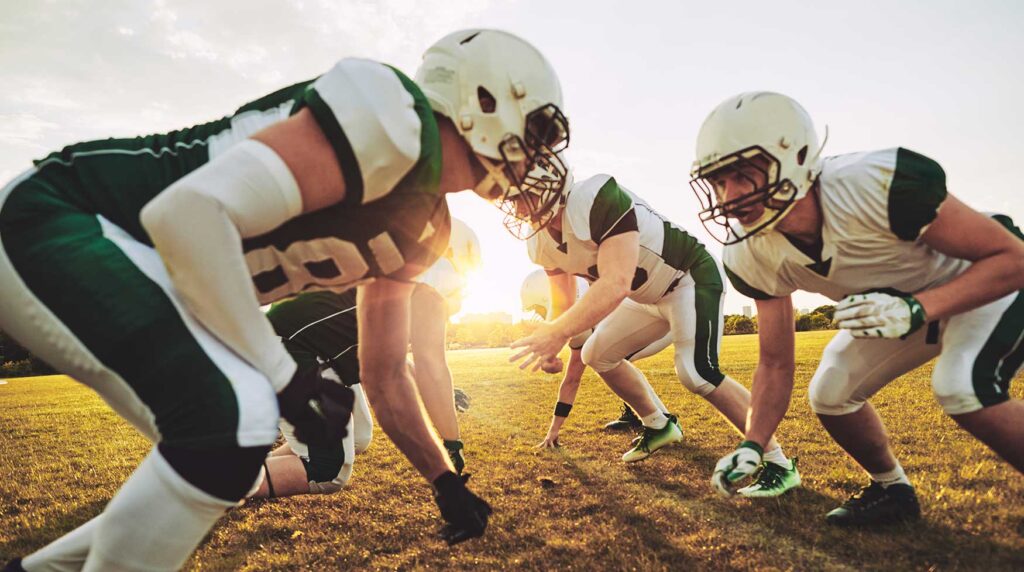
As a parent, you spend countless hours helping your child prepare for their sports season.
You make sure they have the right equipment.
You attend practices and games.
You encourage healthy habits and proper training.
You do everything you can to help them stay safe while enjoying the sports they love.
But there is one important step many families overlook until it’s too late:
Baseline concussion testing.
Most parents don’t think about concussions until their child experiences one. Unfortunately, when a concussion does occur, some of the most valuable information about that injury comes from data that should have been collected before the season ever began.
A preseason baseline assessment provides a snapshot of how your child’s brain functions when they are healthy. If a concussion occurs later, that information becomes an invaluable tool for healthcare providers making decisions about diagnosis, treatment, school accommodations, and return-to-play timelines.
- Read more on: The Impact of Concussions on the Limbic System: Understanding Neurological and Emotional Consequences
In many ways, baseline testing is similar to having a map before starting a journey. You hope you never need it, but if something unexpected happens, having that reference point can make all the difference.
Every parent wants their child to have a positive sports experience.
Sports provide tremendous benefits, including:
- Physical fitness
- Confidence
- Teamwork
- Leadership skills
- Social development
- Discipline
- Resilience
Whether your child participates in football, soccer, lacrosse, basketball, wrestling, cheerleading, hockey, baseball, softball, gymnastics, or other activities, sports play an important role in their development.
The vast majority of young athletes complete their seasons without significant injury.
However, concussions remain one of the most common injuries in youth sports.
According to the Centers for Disease Control and Prevention and multiple sports medicine studies, millions of sports- and recreation-related concussions occur each year in children and adolescents.
While most young athletes recover well with proper care, every concussion is unique.
That’s where the challenge begins.
No Two Brains Are Exactly Alike
One of the biggest misconceptions about concussions is that they are easy to diagnose and monitor.
In reality, concussion symptoms can vary dramatically from one athlete to another.
Some children experience:
- Headaches
- Dizziness
- Nausea
- Sensitivity to light
- Sensitivity to noise
- Balance difficulties
Others may experience:
- Memory problems
- Difficulty concentrating
- Brain fog
- Irritability
- Fatigue
- Slower reaction times
Some children report symptoms immediately.
Others may not notice problems until hours or even days later.
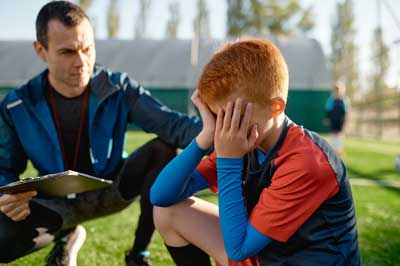 To make matters more complicated, symptoms alone do not always tell the entire story.
A student athlete may say they feel fine while still demonstrating measurable deficits in balance, reaction time, memory, or cognitive processing.
This is why relying solely on symptoms can sometimes be misleading.
Healthcare providers need objective information whenever possible.
That is exactly what baseline testing provides.
What Is a Baseline Concussion Assessment?
A baseline assessment is performed before the sports season begins while an athlete is healthy and symptom-free.
The purpose is to establish a record of normal brain function.
Depending on the testing platform used, baseline assessments may measure:
- Memory
- Processing speed
- Reaction time
- Balance
- Postural stability
- Cognitive function
- Symptom reporting
- Visual processing
- Neurological performance
The assessment typically takes less than an hour and provides important information that can later be used if an injury occurs.
Think of it as creating a neurological fingerprint.
Every child is different.
Every brain is different.
Baseline testing captures what is normal for your child.
Why Baseline Testing Matters
Imagine two athletes suffer similar concussions.
Both undergo post-injury testing.
Both score within what is considered a “normal” range.
At first glance, they may appear ready to return to activities.
But what if one athlete’s scores are significantly lower than their personal baseline?
Without preseason testing, no one would know.
This is one of the biggest advantages of baseline assessments.
Instead of comparing your child to average scores from a large population, clinicians can compare them to themselves.
That creates a much more accurate picture of recovery.
A child who naturally performs exceptionally well on cognitive testing may still appear “normal” after a concussion while actually functioning below their usual level.
Likewise, another child may naturally perform differently than population averages but still be completely healthy.
Baseline testing removes much of this guesswork.
Helping Parents Make Better Decisions
One of the most stressful parts of a concussion is uncertainty.
Parents often wonder:
- Is my child fully recovered?
- Is it safe to return to sports?
- Will returning too early make things worse?
- Are these symptoms normal?
- How do we know when recovery is complete?
Objective baseline data helps answer many of these questions.
Healthcare providers can compare post-injury performance against known healthy measurements.
This helps identify lingering deficits that might otherwise be missed.
It also provides valuable information when creating individualized recovery plans.
Rather than relying exclusively on symptoms, clinicians can incorporate measurable neurological data into decision-making.
For parents, this provides greater confidence during a stressful situation.
Preparing Before an Injury Happens
Most parents purchase protective equipment before the season begins.
Helmets are fitted.
Mouthguards are purchased.
Physical examinations are completed.
Baseline testing should be viewed in a similar way.
It is a proactive safety measure.
The ideal time to establish a baseline is before the athlete ever experiences a concussion.
Once an injury occurs, that opportunity is gone.
Preseason assessments allow healthcare providers to document:
- Cognitive performance
- Balance function
- Reaction time
- Neurological performance
- Symptom-free status
If a concussion occurs later, clinicians have a much clearer starting point for comparison.
This can improve both diagnosis and management.
Why Baseline Testing Is Especially Important for Growing Brains
Children and adolescents are not simply small adults.
Their brains are actively developing.
Neural connections are constantly changing as they learn, grow, and mature.
Because of this ongoing development, accurate assessment becomes even more important.
Young athletes often face additional challenges following a concussion because injuries can affect:
- School performance
- Homework completion
- Test-taking ability
- Reading comprehension
- Attention
- Emotional regulation
- Sleep
Parents frequently focus on when their child can return to sports.
An equally important question is whether their child is ready to fully return to the classroom.
Baseline testing helps healthcare providers evaluate both athletic and academic recovery.
The goal is not simply returning to play.
The goal is returning safely to all aspects of life.
Beyond Football: Concussions Occur in Many Sports
When parents hear the word concussion, football is often the first sport that comes to mind.
However, concussions occur across many youth activities.
Sports with concussion risk include:
- Football
- Soccer
- Lacrosse
- Wrestling
- Basketball
- Cheerleading
- Hockey
- Baseball
- Softball
- Volleyball
- Rugby
- Gymnastics
- Martial arts
Even sports not traditionally considered contact sports can involve falls, collisions, or unexpected impacts.
Any athlete participating in activities where head injuries are possible can benefit from baseline testing.
The Cost of Missing Important Information
One of the most concerning situations occurs when a child appears recovered but still demonstrates subtle neurological deficits.
Returning to sports too early can increase risk.
Returning to full academic demands before the brain has recovered can also prolong symptoms.
Without objective measurements, these issues may be difficult to detect.
Baseline testing cannot prevent every complication.
However, it provides valuable information that may help clinicians identify recovery challenges sooner and make more informed recommendations.
Protecting Your Child Before They Need It
The best time to prepare for a concussion is before one happens.
Just as parents buckle seat belts before an accident occurs, baseline concussion testing is a proactive step designed to protect young athletes before an injury happens.
Most children who undergo baseline testing will hopefully never need it.
But for those who do sustain a concussion, that information can become one of the most valuable tools available during recovery.
It helps healthcare providers make more accurate decisions.
It provides objective data when symptoms are unclear.
It supports safer return-to-learn and return-to-play decisions.
And perhaps most importantly, it helps ensure that your child’s recovery is based on their own brain, not simply population averages.
As parents, we cannot eliminate every risk that comes with sports participation.
But we can take steps to be prepared.
Baseline concussion testing is one of the simplest and most effective ways to do exactly that.
If you or someone you love is playing a sport and could benefit from pre-participation screening and you would like to learn how chiropractic neurology can help, contact the team at Georgia Chiropractic Neurology Center today. We look forward to hearing from you.
Written by Sophie Hose, DC, MS, DACNB, CCSP
Peer-Reviewed References
- Concussion in Sport Group. Consensus statement on concussion in sport.
- Steven P. Broglio et al. National Athletic Trainers’ Association Position Statement: Management of Sport Concussion.
- American Academy of Pediatrics. Sport-Related Concussion in Children and Adolescents.
- Rosemarie Scolaro Moser et al. Neuropsychological evaluation in the diagnosis and management of sports-related concussion.
- Jeffrey J. Bazarian et al. Persistent post-concussive symptoms and neurocognitive function in young athletes.
- Centers for Disease Control and Prevention. Research and surveillance data on youth sports-related concussion.