
The Problem We Overlook
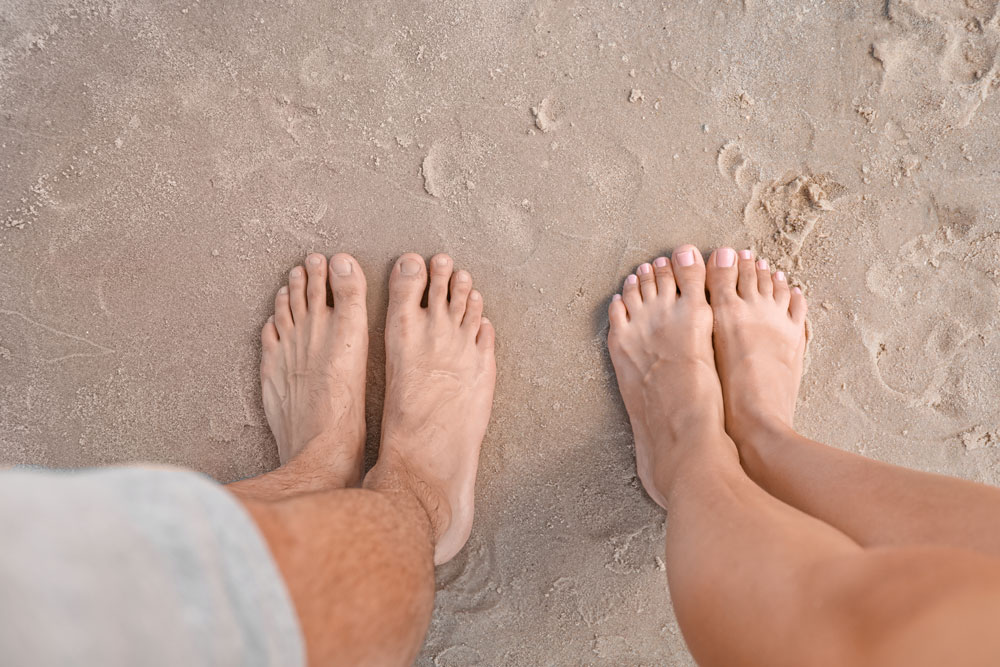
Most people move through life without ever thinking about their feet. Shoes, socks, and hard floors make them easy to forget. Yet, the feet are the body’s first and most constant connection with the external world. Every step, jump, or change of direction depends on their ability to sense, stabilize, and move effectively. When the feet are not functioning optimally, the brain receives altered information, balance becomes compromised, and performance—whether in daily living or athletics—suffers.
From a chiropractic neurology perspective, the feet are not just passive structures. They are sensory gateways that inform the nervous system, stabilize posture, regulate autonomic function, and allow for fluid, agile movement. Understanding this connection is key to unlocking better balance, improved performance, and greater resilience throughout life.
The Brain-Body Connection in the Feet
Your brain relies on a constant stream of information from the feet to determine how to stabilize the body in space. The soles of the feet are packed with mechanoreceptors that detect pressure, vibration, and movement across different surfaces. These signals travel rapidly to the spinal cord, cerebellum, and cerebral cortex, where they integrate with visual and vestibular inputs to guide posture and motion.
When this system functions properly, movements are efficient, precise, and stable. When it is disrupted—whether by injury, poor footwear, or neurological imbalance—the entire body compensates, often at the cost of balance, agility, and even autonomic regulation such as blood pressure and heart rate.
What Happens When the Feet Are Neglected
Ignoring the neurological role of the feet creates problems that ripple upward through the entire body.
- Autonomic Dysregulation: Pressure sensors in the feet influence blood pressure control and circulation through reflexive connections in the spinal cord and brainstem. If sensory input is diminished, autonomic responses can become less efficient.
- Compromised Balance: Without clear sensory input from the ground, the brain struggles to coordinate balance, leading to instability, increased fall risk, or decreased athletic efficiency.
- Movement Limitations: Restriction or instability in the feet alters gait mechanics, leading to compensations in the knees, hips, and spine. Over time, this can contribute to pain and reduced mobility.
- Reduced Athletic Performance: Agility, explosiveness, and coordination all depend on accurate foot feedback. Without it, reaction time slows, movements lose precision, and fatigue sets in sooner.
By recognizing how critical the feet are to neurological health, patients and athletes can better appreciate why chiropractic neurology places so much emphasis on sensory input and motor control from the ground up.
Autonomic Control: Feet and the Nervous System’s Hidden Regulation
The autonomic nervous system regulates vital functions such as blood pressure, heart rate, and circulation without conscious effort. Foot sensation plays a subtle but important role in this system. When receptors in the feet detect weight shifts or ground pressure, they signal the spinal cord and brainstem to adjust vascular tone and heart rate accordingly.
 For example, standing upright requires rapid autonomic adaptation: vessels in the lower limbs constrict to prevent blood pooling, while heart rate subtly increases to maintain adequate brain perfusion. If the feet provide unclear sensory input, this reflex loop can falter, sometimes contributing to dizziness, fatigue, or inefficient circulation.
From a chiropractic neurology standpoint, exercises that stimulate the feet—such as barefoot balance training, textured surface work, or dynamic stability drills—can enhance autonomic resilience by reinforcing these neurovascular reflexes.
Balance: The Integration of Feet, Eyes, and Inner Ear
Balance is one of the most complex tasks the brain performs, requiring constant integration of three systems: vision, the vestibular system, and proprioception (feedback from joints and muscles). The feet form the foundation of proprioception.
When mechanoreceptors in the feet detect subtle shifts, the cerebellum and sensory cortex integrate this input with signals from the inner ear and eyes. If one system weakens, the others must work harder. For example, diminished foot sensation—common with aging or neuropathy—places extra demand on vision and vestibular function, which can increase fall risk or create dizziness in visually complex environments.
Targeted neurological rehabilitation for the feet, therefore, not only improves balance but also reduces strain on the other sensory systems. By sharpening the brain’s ability to interpret foot input, stability becomes more natural and automatic.
Movement and Agility: The Brain’s Map of the Feet
Every joint and muscle in the foot is mapped in the brain’s somatosensory cortex. When these maps are clear and active, the brain coordinates movement with precision. When they are under-stimulated—due to restrictive footwear, injury, or lack of training—the maps become blurred, leading to clumsier movement and slower reflexes.
Agility, in particular, depends on rapid foot-brain communication. Athletes who train barefoot or on variable surfaces often develop sharper reflexes and more efficient movement strategies because their brains learn to predict and adapt to changing ground conditions. Chiropractic neurology uses similar principles to retrain motor patterns and restore efficient cortical mapping of the feet.
This is why specific drills that challenge foot mobility, arch control, and ground sensation are often incorporated into neurological rehabilitation programs. Such training not only improves mobility but also refines the timing and coordination necessary for quick changes of direction and explosive performance.
Athletic Performance: The Competitive Edge of Neurological Foot Training
Elite athleticism requires more than muscle strength. It requires timing, coordination, and efficient energy use—all of which depend on precise sensory feedback. Research shows that improving foot proprioception enhances postural control, jump performance, and running mechanics.
When the feet are trained to deliver rich sensory information, athletes gain several advantages:
- Quicker reaction times to unpredictable changes in play or environment.
- Improved efficiency, with less wasted motion and reduced risk of fatigue.
- Greater resilience, as stable feet distribute forces evenly and reduce injury risk.
- Enhanced coordination, as the brain integrates accurate foot signals with whole-body movement.
From the chiropractic neurology standpoint, foot-focused training is not just a performance enhancer but also a neurological safeguard. By ensuring that the brain receives the clearest possible sensory information from the ground, the entire motor system operates at a higher level.
How Chiropractic Neurology Addresses the Feet
A functional neurological approach to foot health often includes:
- Assessment of Sensory Input: Testing vibration, pressure, and joint position sense in the feet to determine how clearly the brain is receiving signals.
- Balance and Postural Analysis: Observing how foot input integrates with vision and vestibular function during static and dynamic tasks.
- Motor Control Drills: Training specific foot and ankle muscles to restore proper timing and coordination.
- Surface Variability Training: Using textured mats, balance pads, or barefoot exercises to stimulate mechanoreceptors and enhance cortical mapping.
- Integration into Whole-Body Movement: Reinforcing foot-based corrections during gait, sport-specific drills, and dynamic stability challenges.
The goal is always the same: to improve the communication between the feet and the brain so that movement, balance, and autonomic control become more efficient.
A Stronger Foundation for Life and Sport
When foot sensation, stability, and movement are optimized, people notice the difference in every area of life. Walking feels smoother, balance feels more natural, and athletic movements feel more precise. Even beyond physical performance, autonomic functions such as circulation and energy regulation improve, supporting overall resilience.
The feet are not just passive supports. They are neurological powerhouses that guide how we move, stabilize, and perform. By caring for them through the lens of chiropractic neurology, you build a foundation that supports not only stronger movement but also healthier brain-body function throughout life.
Conclusion
The human foot is a marvel of sensory and motor design, containing over 7,000 nerve endings that continuously inform the brain about the world beneath us. When functioning properly, this system provides the foundation for balance, agility, autonomic regulation, and peak performance. When neglected, it sets off a cascade of compensations that affect posture, stability, and overall health.
From a chiropractic neurology standpoint, restoring and enhancing foot sensation and stability is not a minor detail—it is a cornerstone of neurological rehabilitation and athletic performance. Whether the goal is to prevent falls, improve daily movement, or gain a competitive edge in sport, the path begins with the brain-body connection beneath your feet.
If you or someone you love is having difficulties feeling or moving their feet and you would like to learn how chiropractic neurology can help, contact the team at Georgia Chiropractic Neurology Center today. We look forward to hearing from you.
Written by Sophie Hose, DC, MS, DACNB, CCSP
Peer-Reviewed References
- Kavounoudias, A., Roll, R., & Roll, J. P. (2001). Foot sole and ankle muscle inputs contribute jointly to human erect posture regulation. Journal of Physiology, 532(3), 869–878. https://doi.org/10.1111/j.1469-7793.2001.0869e.x
- Perry, S. D., Santos, L. C., & Patla, A. E. (2001). Contribution of vision and cutaneous sensation at the foot and ankle to the control of standing balance in younger and older adults. Gait & Posture, 14(3), 211–219. https://doi.org/10.1016/S0966-6362(01)00170-7
- Zehr, E. P., & Stein, R. B. (1999). What functions do reflexes serve during human locomotion? Progress in Neurobiology, 58(2), 185–205. https://doi.org/10.1016/S0301-0082(98)00081-1
- Gribble, P. A., Hertel, J., & Plisky, P. (2004). Using the Star Excursion Balance Test to assess dynamic postural-control deficits and outcomes in lower extremity injury: a literature and systematic review. Journal of Athletic Training, 39(3), 279–304.