
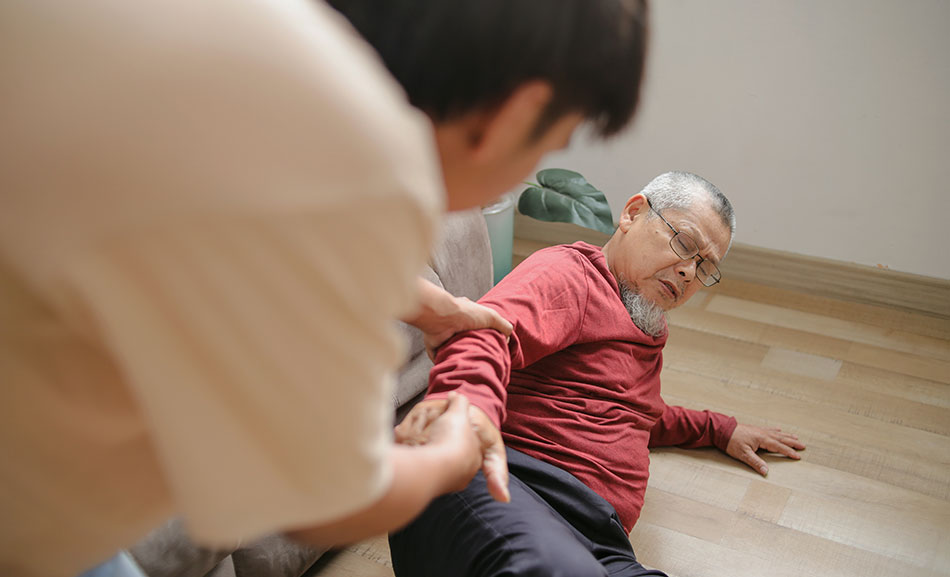
Most people associate stroke with sudden paralysis, slurred speech, or facial drooping.
While these are certainly some of the most recognizable symptoms, strokes can present in many different ways depending on which part of the brain is affected.
Some individuals experience dramatic symptoms that prompt immediate medical attention.
Others develop subtle changes involving vision, balance, sensation, cognition, or behavior that may initially be mistaken for less serious conditions.
Understanding stroke is important because it remains one of the leading causes of disability worldwide. The sooner a stroke is recognized and treated, the greater the opportunity to preserve brain tissue and improve long-term outcomes.
Fortunately, advances in emergency treatment, rehabilitation, and neuroscience have dramatically improved recovery potential for many stroke survivors.
What Is a Stroke?
A stroke occurs when blood flow to a portion of the brain is interrupted or reduced, depriving brain cells of oxygen and nutrients.
Because neurons require a constant supply of oxygen, brain tissue can begin to suffer damage within minutes.
The specific symptoms that develop depend on the location and extent of the injury.
In many ways, a stroke can be thought of as a “brain attack,” similar to how a heart attack affects the heart.
Just as different parts of the heart perform different functions, different regions of the brain are responsible for specific abilities.
When blood flow is disrupted, the functions controlled by that area may be affected.
The Three Major Types of Stroke
Ischemic Stroke
Approximately 85% of strokes are ischemic strokes.
These occur when a blood vessel supplying the brain becomes blocked.
Common causes include:
- Blood clots
- Atherosclerosis
- Emboli traveling from the heart or other blood vessels
- Small vessel disease
Because the blood supply becomes restricted, brain tissue downstream from the blockage receives insufficient oxygen.
Modern emergency treatments may include clot-dissolving medications or mechanical thrombectomy procedures designed to restore blood flow as quickly as possible.
Hemorrhagic Stroke
A hemorrhagic stroke occurs when a blood vessel ruptures and bleeds into or around the brain.
Common causes include:
- High blood pressure
- Aneurysms
- Arteriovenous malformations
- Trauma
- Certain clotting disorders
In addition to reducing blood flow, bleeding may increase pressure within the skull, creating additional damage to surrounding tissues.
Transient Ischemic Attack (TIA)
Often referred to as a “mini-stroke,” a transient ischemic attack occurs when blood flow is temporarily interrupted but then restored before permanent injury occurs.
Symptoms may last only minutes or hours and then resolve completely.
Many people mistakenly dismiss TIAs because the symptoms disappear.
However, a TIA should be viewed as a major warning sign.
The risk of a future stroke increases significantly following a TIA, making prompt medical evaluation essential.
Why Stroke Symptoms Vary So Much
One of the most confusing aspects of stroke is that symptoms can differ dramatically from person to person.
The reason is simple:
Different areas of the brain perform different functions.
The symptoms reflect the job of the injured region.
Frontal Lobe Strokes
The frontal lobe plays important roles in:
- Voluntary movement
- Planning
- Judgment
- Personality
- Problem solving
- Emotional regulation
- Speech production
Common symptoms may include:
- Weakness on one side of the body
- Difficulty speaking
- Reduced motivation
- Personality changes
- Poor judgment
- Impulsivity
- Difficulty initiating activities
Some individuals may appear apathetic or emotionally different following frontal lobe injury.
Family members often notice these changes before the patient does.
Parietal Lobe Strokes
The parietal lobe helps process sensory information and spatial awareness.
Symptoms may include:
- Numbness
- Sensory loss
- Difficulty recognizing objects
- Problems with body awareness
- Difficulty judging distances
- Neglect of one side of the body
In some cases, patients may not recognize that part of their body belongs to them or may ignore one side of their environment entirely.
Temporal Lobe Strokes
The temporal lobes contribute to:
- Language comprehension
- Memory
- Auditory processing
- Emotional regulation
Symptoms may include:
- Memory problems
- Difficulty understanding speech
- Auditory disturbances
- Emotional changes
- Difficulty recognizing familiar people or objects
Occipital Lobe Strokes
The occipital lobe is primarily responsible for vision.
Symptoms may include:
- Vision loss
- Visual field deficits
- Difficulty recognizing objects
- Visual distortions
- Problems reading
Many individuals initially believe they have developed an eye problem when the issue actually originates in the brain.
Cerebellar Strokes
The cerebellum helps coordinate movement, balance, and motor timing.
Common symptoms include:
- Dizziness
- Vertigo
- Loss of balance
- Coordination difficulties
- Nausea
- Unsteady walking
Because these symptoms can resemble inner ear disorders, cerebellar strokes are occasionally overlooked during early stages.
Brainstem Strokes
Brainstem strokes can be particularly serious because the brainstem controls many vital functions.
Potential symptoms include:
- Double vision
- Difficulty swallowing
- Slurred speech
- Facial weakness
- Balance problems
- Breathing abnormalities
- Altered consciousness
Brainstem strokes often produce unusual combinations of symptoms affecting both sides of the body.
Common Warning Signs of Stroke
Many people are familiar with the FAST acronym:
F – Face drooping
A – Arm weakness
S – Speech difficulty
T – Time to call emergency services
While FAST remains an excellent screening tool, it does not identify every stroke.
Additional warning signs may include:
- Sudden dizziness
- Sudden loss of balance
- Double vision
- Sudden severe headache
- Confusion
- Numbness
- Visual disturbances
- Difficulty swallowing
- Sudden changes in coordination
- Unexplained weakness
The key feature is sudden onset.
Symptoms that appear abruptly should always be taken seriously.
Less Common Stroke Symptoms
Some stroke symptoms are frequently overlooked because they do not fit the classic picture.
These may include:
- Extreme fatigue
- Sudden cognitive decline
- Behavioral changes
- Emotional instability
- Difficulty finding words
- Spatial disorientation
- Difficulty reading
- Changes in handwriting
- Unexplained nausea or vomiting
- Persistent hiccups (in rare brainstem cases)
Because these symptoms may appear less dramatic, they sometimes delay medical evaluation.
Common Myths About Stroke
Myth #1: Stroke Only Happens to Older Adults
While age increases risk, strokes can occur in younger adults, adolescents, and even children.
Certain genetic conditions, vascular abnormalities, clotting disorders, infections, and traumatic injuries may increase risk in younger populations.
Myth #2: If Symptoms Go Away, You’re Fine
This is one of the most dangerous misconceptions.
A TIA may resolve completely, but it often serves as a warning sign of future stroke risk.
Any sudden neurological symptoms warrant medical evaluation.
Myth #3: Recovery Only Happens During the First Few Months
Recovery is often fastest during the early stages, but improvements can continue for months and even years.
The nervous system retains the ability to adapt through neuroplasticity.
While progress may slow over time, meaningful gains are frequently possible long after the initial injury.
Myth #4: Once Brain Cells Die, Recovery Is Impossible
While damaged neurons may not regenerate in the same way other tissues do, the brain has remarkable adaptive capabilities.
Healthy neural networks can often reorganize and assume functions previously performed by injured areas.
This process forms the foundation of neurological rehabilitation.
Myth #5: If Strength Returns, Recovery Is Complete
Many stroke survivors continue experiencing challenges involving:
- Balance
- Coordination
- Cognition
- Visual processing
- Fatigue
- Sensory integration
- Emotional regulation
Recovery involves far more than muscle strength alone.
Understanding Neuroplasticity After Stroke
One of the most important discoveries in modern neuroscience is that the brain remains adaptable throughout life.
This ability is known as neuroplasticity.
Neuroplasticity refers to the brain’s capacity to:
- Form new connections
- Strengthen existing pathways
- Reorganize neural networks
- Learn new strategies
Following a stroke, rehabilitation aims to harness this adaptability.
The brain is not simply recovering.
It is often rewiring.
Rehabilitation Is About More Than Movement
Many people associate stroke rehabilitation with physical therapy.
While movement rehabilitation is extremely important, modern neurological rehabilitation often addresses multiple systems simultaneously.
Depending on the individual’s symptoms, treatment may include:
- Balance rehabilitation
- Eye movement training
- Vestibular therapy
- Cognitive rehabilitation
- Speech therapy
- Motor control exercises
- Sensory integration therapies
- Gait retraining
Because strokes affect different regions of the brain, rehabilitation programs should be individualized based on the neurological systems involved.
Hope Beyond the Diagnosis
A stroke is a life-changing event.
It can affect movement, communication, cognition, independence, and quality of life.
However, it is important to remember that a stroke diagnosis is not the end of the story.
Advances in emergency medicine, neuroscience, and rehabilitation continue to improve outcomes for stroke survivors.
The brain possesses a remarkable ability to adapt, reorganize, and recover.
The earlier a stroke is recognized, the sooner treatment can begin.
The sooner rehabilitation starts, the greater the opportunity to harness neuroplasticity.
And while every recovery journey is unique, one message remains consistent:
Recovery is often possible long after many people assume progress has stopped.
If you or someone you love has suffered a stroke and you would like to learn how chiropractic neurology can help, contact the team at Georgia Chiropractic Neurology Center today. We look forward to hearing from you.
Written by Sophie Hose, DC, MS, DACNB, CCSP
Peer-Reviewed References
- Ralph L. Sacco et al. An Updated Definition of Stroke for the 21st Century. Stroke. 2013.
- Steven C. Cramer. Repairing the Human Brain After Stroke. Nature. 2008.
- Randolph S. Marshall. The Functional Neuroanatomy of Stroke Recovery. Continuum. 2015.
- Bruce H. Dobkin. Rehabilitation After Stroke. New England Journal of Medicine. 2005.
- Wolf-Dieter Heiss. The Ischemic Penumbra and Stroke Recovery. International Journal of Stroke. 2011.
- John W. Krakauer. Motor Learning and Neuroplasticity After Stroke. Neuron. 2012.